
The International Energy Agency reports that half of the world’s population faces severe water scarcity each year, and industry—responsible for nearly 20% of global freshwater use and 40% of total energy consumption—can play a major role in addressing the crisis. By integrating water and energy management, industries can improve efficiency, cut costs, reduce emissions, and enhance resilience. Saving energy also saves water, since energy production consumes vast water resources, while fixing leaks and improving water use reduces the energy needed for extraction and treatment. Studies show that water conservation can deliver even greater energy savings than energy-focused programs alone, and that investing in water efficiency is far more cost-effective than developing new supplies. Governments and energy agencies are urged to promote joint water-energy audits, data sharing, and cross-sector cooperation, helping industry adopt integrated approaches that benefit both resources and the environment. The IEA writes:
The world has a water problem and industry can be part of the solution. Half the world’s population experiences severe water scarcity for at least part of the year, with poorer communities worst affected, threatening livelihoods, health and economic output. Industry could help address these scarcity issues by reducing their own water use and increasing energy efficiency.
Globally, the industrial sector is the second biggest user of freshwater after agriculture, accounting for just under 20% of freshwater withdrawals while simultaneously being the largest user of energy, accounting for almost 40% of the world’s total annual energy consumption.
While water and energy are often managed as separate resources in industry, adopting an integrated approach that combines energy and water management can improve energy efficiency and reduce water losses. Efficiency measures that lead to water and energy savings can lower water and energy bills, create jobs, lower emissions and reduce risks related to water scarcity. Many synergies emerge from an integrated view of energy and water management. […]
On average, the global energy sector withdraws around 0.6 billion cubic metres (bcm) of freshwater for each 1 EJ of energy demand. By reducing energy use, water is saved too. […]
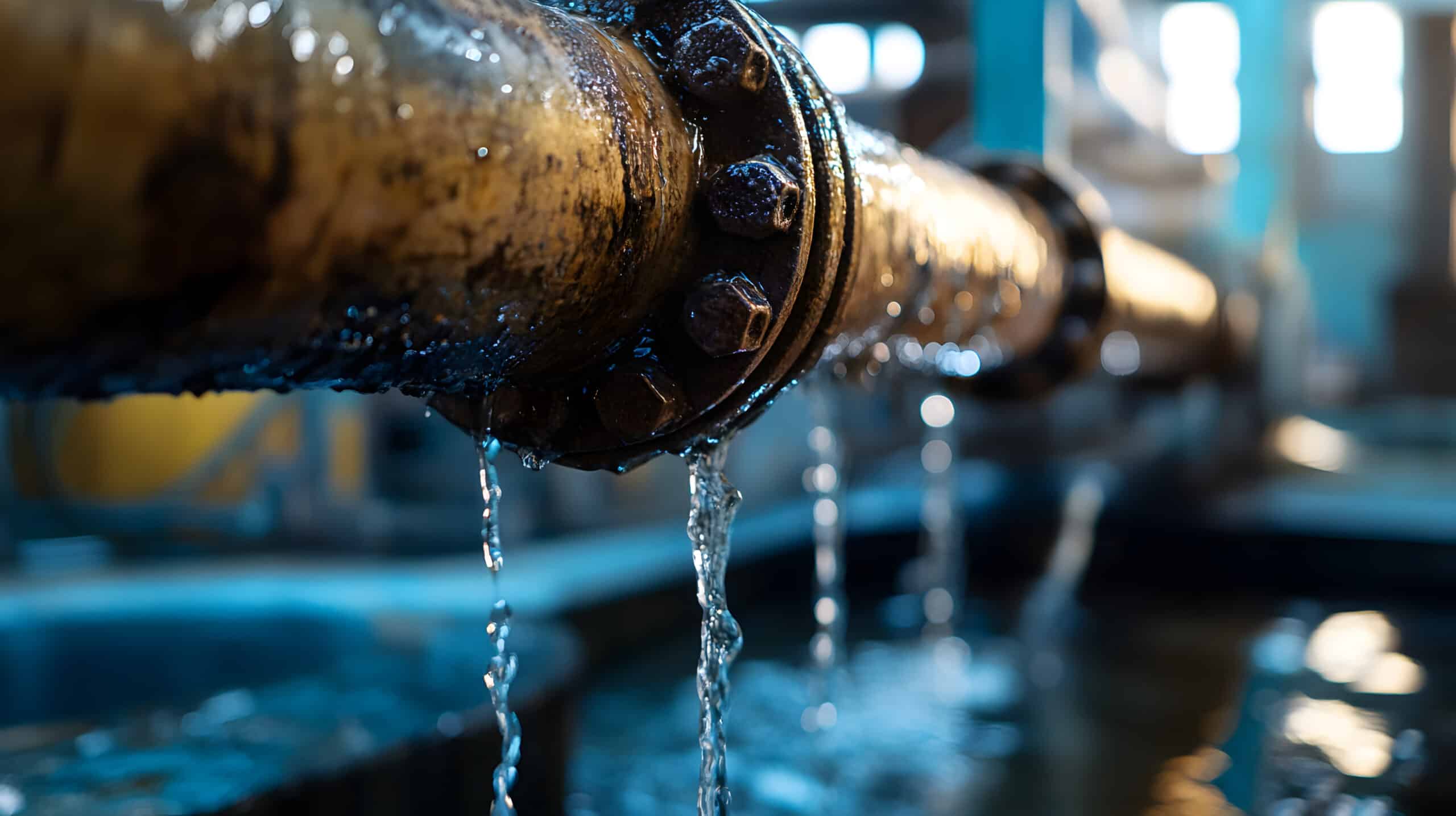
Globally, about 30% of freshwater is wasted due to leaks and inefficient use. This leads to more energy being used to extract, treat and transport larger volumes of water. In some countries, average losses in water supply and treatment systems reach 60%. Water users are also responsible for substantial losses. Analysis by Thames Water in the UK indicates that more than 25% of the water supplied to business customers could be lost due to leaks on premises. Some industrial sectors experience water losses as high as 50% due to leaks, outdated equipment, and inefficient practices. […]
Systematically linking energy and water management could unlock synergies while contributing to more resilient manufacturing operations – especially in times of rising energy and water costs. More integrated policy approaches to water and energy can support the achievement of multiple policy objectives.
Read more here.


