Aspiring Materials, a New Zealand startup, has developed a sustainable, closed-loop process that extracts valuable minerals from olivine, a previously overlooked rock. Using only olivine, water, sulfuric acid, and renewable energy, the process produces three key products: silica (used in cement), magnesium hydroxide (used in carbon capture and water treatment), and a rare nickel-manganese-cobalt (NMC) hydroxide essential for lithium-ion batteries. The technology generates no harmful waste and regenerates its chemicals through electrolysis, according to Laurie Winkless of IEEE Spectrum. Though NMC makes up a small share of the output, it offers a potential new, more ethical source of battery materials, helping diversify global supply chains currently dominated by a few countries. Winkless writes:
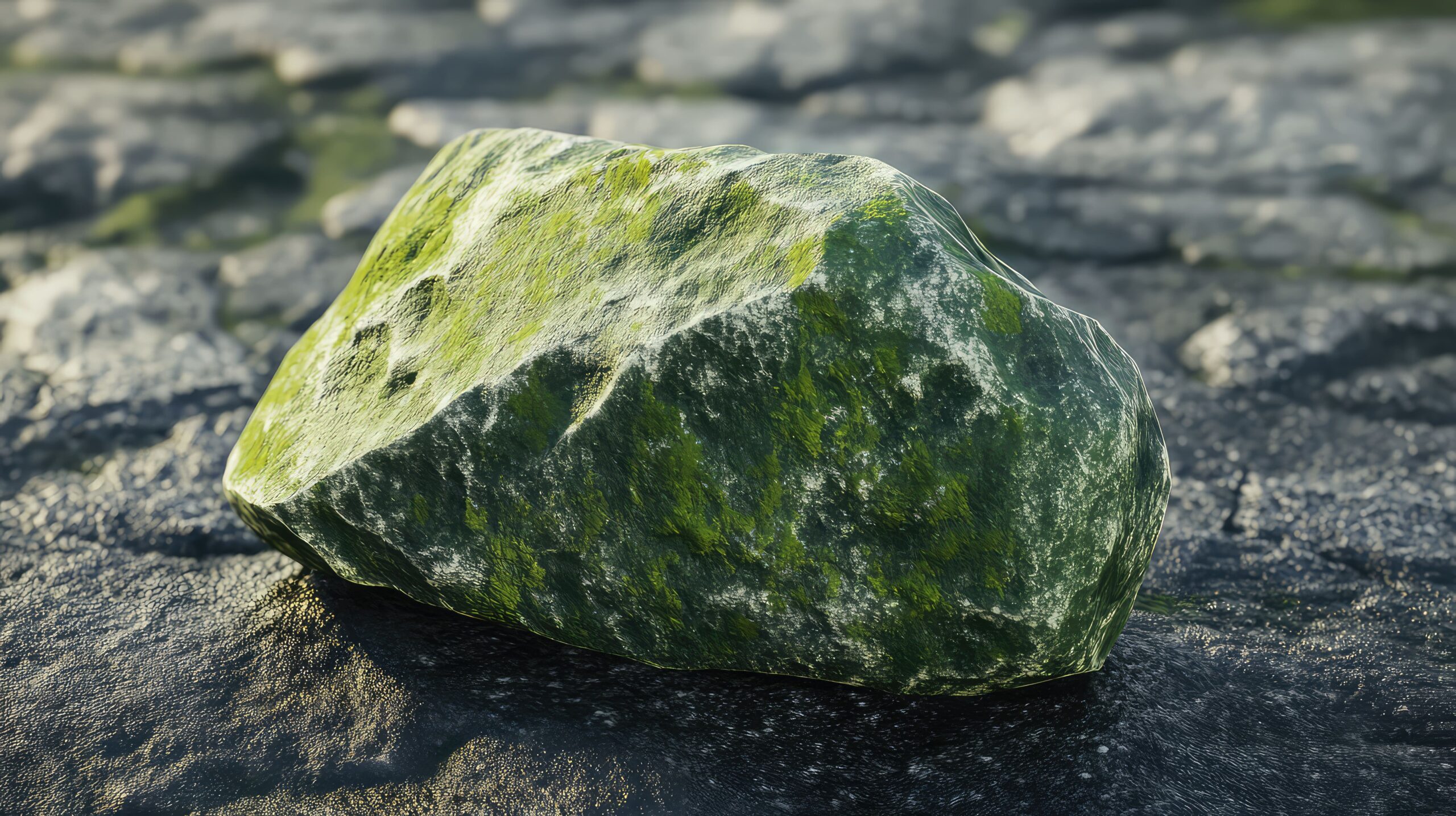
Olivine is a rather unassuming rock. Olive brown to yellow green in color, this hard yet brittle mineral is thought to be the most abundant in Earth’s upper mantle. Chemically, olivine is magnesium iron silicate, though it contains other elements too. Economically, it’s close to worthless. Its limited industrial utility stretches to gemstones, metalworking, ceramics, and occasionally, as a gravel for road construction. At some mining sites, olivine is a waste product, stored in piles on the surface.
It’s certainly not an obvious choice as a source for battery materials. […]
The final 10 percent is a mixed metal product—iron combined with small quantities of a nickel-manganese-cobalt hydroxide. The battery industry calls it NMC, and it is the go-to material for high-power applications.
Danczyk explains that at the end of the extraction process, they’re left only with a salty brine. “This goes to an electrolyzer, which recycles and regenerates the acid we use for digestion and the base we use to separate the products. It’s a closed loop. […]
Aspiring is not the only company looking to extract more value from already-mined materials. Canadian company Atlas Materials is currently commercializing a similar closed-loop process that produces a similar set of products, but the starting point differs—rather than olivine, it focuses on serpentine. […]
They’re extracting value from every component they produce, and with low to no waste. That’s likely to be a benefit for exporting to those markets.”
Read more here.