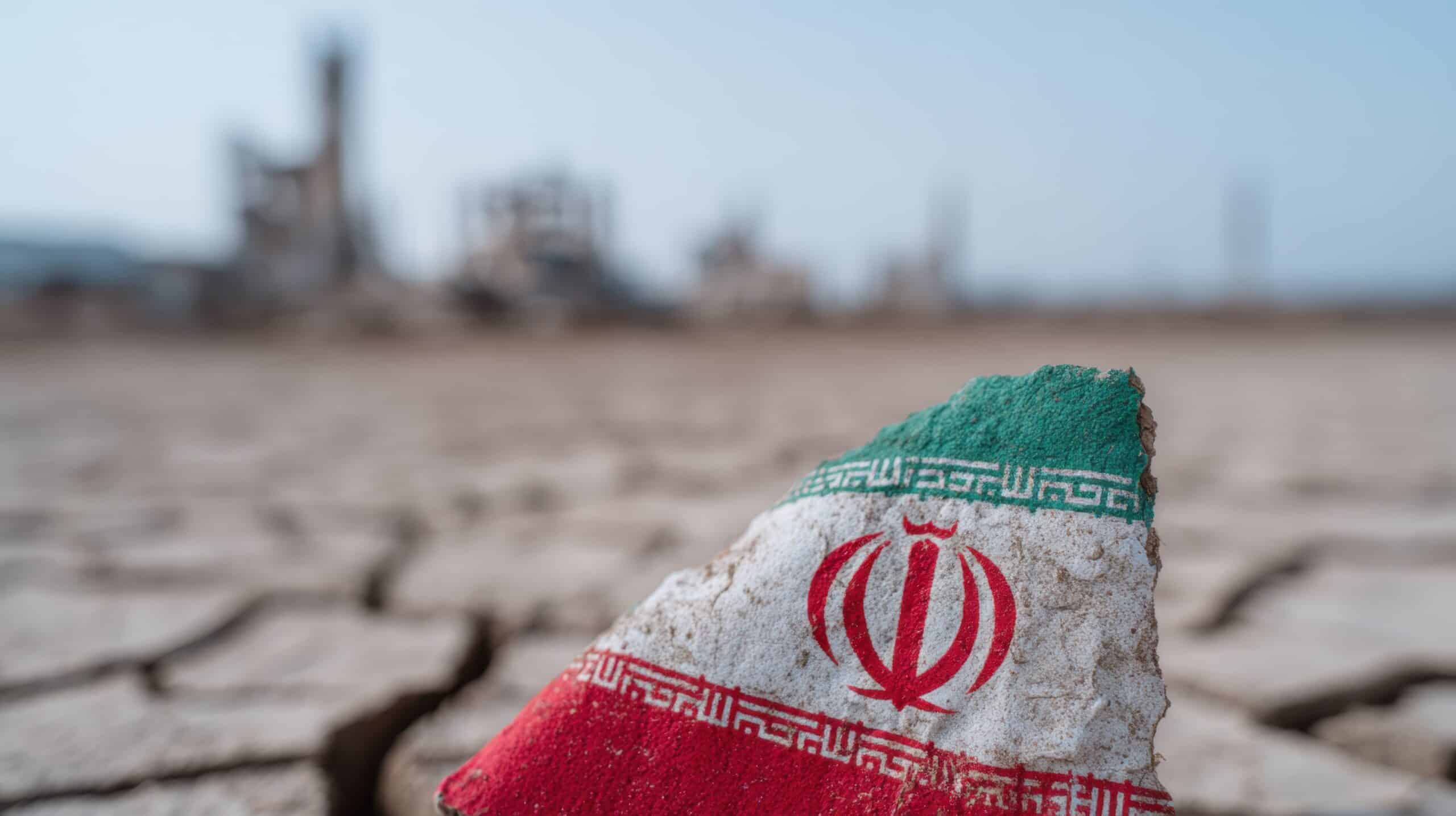
Iran is facing a severe drought, with rainfall across the country 85% below average and Tehran receiving just 1 mm of rain this year. Reservoirs are critically low, and authorities warn that without substantial rainfall by December, the city’s 14 million residents may need to evacuate. The government has launched a cloud-seeding program to stimulate rain, beginning in mid-November and continuing through May, but experts caution its impact will likely be limited, especially given the dry conditions and lack of moisture in the atmosphere. Climate change and poor water management, including overexpanded agriculture and illegal wells, are key drivers of the crisis, which has already persisted for five years, Alec Luhn of the New Scientist reports. Luhn writes:
Iran is experiencing a drought so intense that the country’s president has said the capital city, Tehran, might have to be evacuated. In an attempt to bring rain, aircraft began a cloud-seeding operation on 15 November that is planned to last through the traditional rainy season until May. But experts caution that this technique is challenging and unlikely on its own to make a major dent in the water crisis.
How bad is the drought in Iran?
Rainfall across Iran is 85 per cent below average, and Tehran has received only 1 millimetre of rain this year. Reservoirs in the capital and in nearby regions are in a “worrying state”, officials have said, with water capacity under 5 per cent at 32 dams. Satellite images reveal some have dried up entirely. […]
What caused the drought?
Experts say the climate crisis has contributed to the drought, which has already lasted for five years. Iran is experiencing its driest autumn in 50 years, and Tehran, which often gets snow in November, is seeing temperatures of 15°C (59°F) or more.
But poor management is the main cause of what Kaveh Madani, a former Department of Environment official, calls Iran’s “water bankruptcy”. […]
“Cloud seeding is often much more difficult during a drought because the atmosphere is so dry, and any clouds that are present may not have sufficient moisture,” says Karen Howard, a scientist at the US Government Accountability Office. […]
Cloud seeding will be able to at least “squeeze out a few more drops” from weather systems like this, says Armin Sorooshian at the University of Arizona. “It’s not going to lead to extreme things like flooding or solving widespread drought,” he says. “But it can help a little bit.”
Read more here.