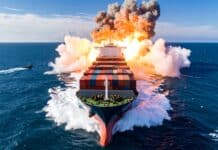

The European Commission published AccelerateEU, a plan responding to the energy shock caused by disruptions in global oil and gas supplies, including tensions around the Strait of Hormuz. The strategy aims to reduce the EU’s dependence on imported fossil fuels by accelerating electrification, expanding clean energy investment, and strengthening energy infrastructure.
While immediate relief measures are limited and largely handled by member states, the plan focuses on coordinated actions such as gas storage management, joint energy purchasing, targeted consumer support, and voluntary demand reduction.
The long-term goal is to enhance energy security, competitiveness, and decarbonization across the EU. The European Commission proposes:
Coordination is key. The Commission will ensure that measures at Member State level will be done in full coordination. This includes refilling of underground gas storages, use of flexibilities in filling rules, or any exceptional releases of oil stocks. Oil and Gas Coordination groups meet frequently to ensure full situational awareness among Member States. National emergency measures andmeasures aimed at ensuring the availability of jet fuel and diesel, including the availability of oil refinery production capacities, should be closely coordinated.
A new Fuel Observatory will be established to track EU production, imports, exports and stock levels of transport fuels. This will enable swift identification of potential shortages and, in the case of emergency stock releases, inform targeted measures to maintain balanced fuel distribution. To mitigate the impact of high fuel prices and possible fuel shortages on the EU aviation sector, the Commission will also provide clarity on existing flexibilities within the EU aviation framework.
Timely, targeted and temporary measures. Protecting consumers, including industry, from price peaks can include targeted income support schemes, energy vouchers and social leasing schemes, lowering excise duties on electricity for vulnerable households. The Commission will also adopt a State Aid Temporary Framework, which will provide additional flexibility for national governments, including emergency measures to support the most exposed economic sectors.
Accelerating the shift to homegrown clean energy to replace oil, gas and fossil transport fuels. By the summer, the Commission will present an Electrification Action Plan. It will include an ambitious electrification target and measures to remove barriers to the electrification of the industrial, transport and building sectors. Swift implementation of the Sustainable Transport Investment Plan is key to accelerate the rollout of sustainable aviation fuels.
Stepping up the grids system. Electrification needs to be accompanied by a grid network which is fit for purpose. First steps are ensuring that current legislation is fully implemented and the negotiations on the European Grids Package are concluded swiftly. Maximising existing renewable energy infrastructure is another action. Rapid repowering of big wind farms and renewable plants, including offshore wind parks and hydropower plants can quickly deliver much needed additional relief. The Commission will also present a legislative proposal on network charges and taxation, ensuring among others electricity is taxed less than fossil fuels.
Boosting investments. Significant resources are available at EU level, such as those under the Recovery and Resilience Facility (‘RRF’: €219 billion) and cohesion policy funds. In the current crisis, speed and impact are paramount. The Commission will assist Member States to make maximum use of available EU funding. However, public money alone will not cover the significant investment needs (€660 billion a year until 2030) for the energy transition. To mobilise private investments, the Commission therefore adopted a Clean Energy Investment Strategy in March 2026. The Commission will organise a Clean Energy Investment Summit bringing together the financial services industry, including major institutional investors, industrial leaders, project developers and public financiers to accelerate private financing.
Read more here.