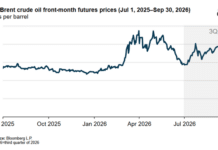

China absorbed the Iran oil shock by cutting its crude oil imports by nearly 50% since the war began. Imports fell from roughly 11 million barrels per day to about 5.8 million barrels per day between February and June. The decline has helped keep global oil prices from rising even further, reducing pressure on inflation and the broader global economy.
Several factors explain the sharp reduction, The Wall Street Journal reports. China restricted fuel exports, which forced refineries to reduce crude processing. Domestic air travel also declined as higher fuel costs pushed up ticket prices, while rail travel remained strong. At the same time, China increased its use of coal-based fuels and chemicals, reducing some of its dependence on crude oil.
China is also benefiting from large oil reserves built up before the war. Beijing had stockpiled significant amounts of relatively cheap Russian and Iranian crude and has recently begun drawing from those reserves. Together, lower refinery activity, reduced fuel demand, coal substitution, and strategic stockpiles have allowed China to weather the oil disruption without competing as aggressively for supplies on the global market.