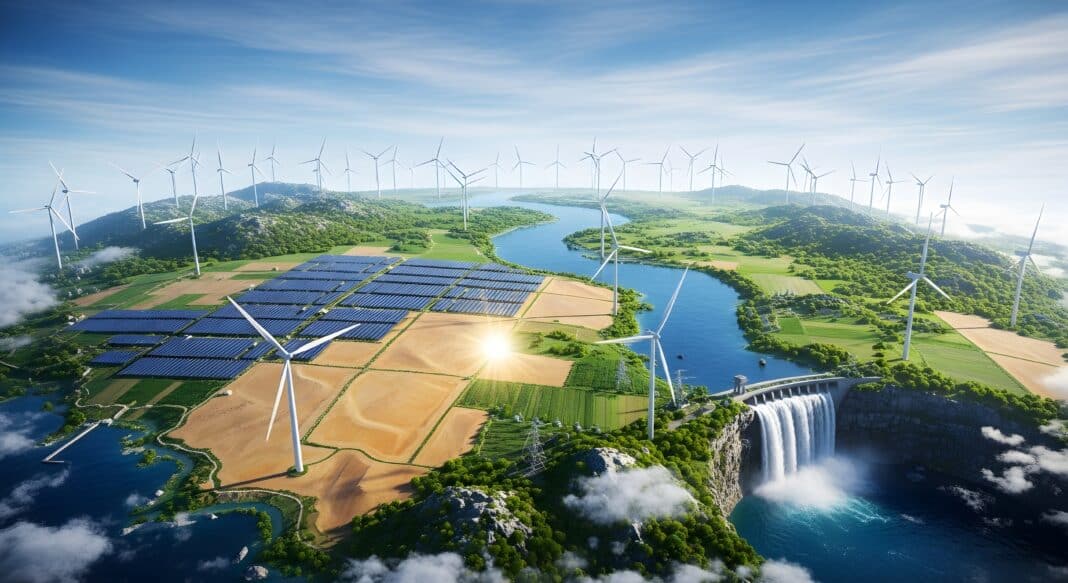
The International Energy Agency’s (IEA) World Energy Outlook 2026 examines how geopolitical conflicts, energy supply disruptions, and accelerating electrification are reshaping the global energy landscape. Published November 19, 2026, the report highlights the unprecedented energy supply shock caused by disruptions to shipments through the Strait of Hormuz, which has affected oil and natural gas markets, driven up fuel prices, and intensified concerns over global energy security.
The report identifies growing investment in renewable energy, nuclear power, battery storage and electrification as key responses to energy supply vulnerabilities. Solar power continues to expand rapidly, while electricity demand is expected to rise significantly over the next decade, driven by electric vehicles, industrial activity, air conditioning and artificial intelligence data centers. The IEA also emphasizes the importance of diversifying energy suppliers, strengthening power grids and expanding domestic energy resources.
However, challenges remain, including geopolitical uncertainty, infrastructure investment costs, critical mineral supply-chain dependencies and continued reliance on fossil fuels. The report presents several potential energy scenarios, highlighting how government policies and market responses could influence future oil and gas demand, emissions and clean energy adoption.
The IEA stresses that energy security, affordability and sustainability are increasingly interconnected, with long-term investment in diversified energy supplies, renewables and electrification essential to building a more resilient global energy system.