A major shift is underway in how data centers are powered and backed up, driven by the rise of long‑duration iron‑air batteries that could transform energy storage for large computing facilities, particularly amid the AI boom.
These innovative systems store energy by cycling iron and oxygen, offering lower costs and longer discharge times than traditional lithium‑ion batteries, enabling data centers to operate on cleaner, more reliable power.
Forbes reports that the trend reflects broader efforts to enhance power resilience and integrate renewable energy as electricity demands from data centers continue to grow. They write:
The spike in power demand from AI data centers over the past two years is not only driving up utility prices but also driving rapid, sustained growth in renewable power, especially solar. […]
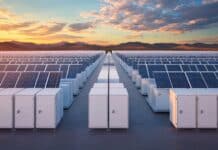
Last year, the U.S. installed a record 58-gigawatt-hours of battery storage, 30% higher than in 2024, according to the Solar Energy Industries Association. Much of that growth was led by packs using lithium-iron phosphate cells, a chemistry that’s been mastered by Chinese battery giants CATL and BYD. Its advantage has been both lower costs and reduced fire risks compared to the lithium-ion cells used in electric cars. The challenge with that chemistry, however, is that the U.S. lacks a soup-to-nuts supply chain to produce LFP cells domestically.
Read more here.