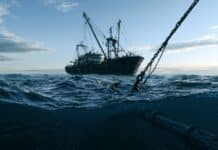
Smaller oil tankers are increasingly helping maintain crude exports through the Strait of Hormuz as attacks on larger vessels disrupt shipping during the U.S.-Iran war. According to Bloomberg, Suezmax and Aframax tankers transported more than 2 million barrels of oil per day through the strait in October, while total daily oil exports reached 11.4 million barrels, the highest level since the conflict began.
The shift toward smaller vessels reflects reduced availability of very large crude carriers (VLCCs), which can transport approximately 2 million barrels per shipment. Smaller tankers are loading crude in countries such as Iraq, Kuwait, and Qatar before delivering it directly or transferring cargo to larger vessels offshore.
These alternative shipping arrangements are helping sustain Middle Eastern oil exports, but additional transfers, vessel shortages, and security risks are increasing logistical challenges. The developments highlight how the global oil shipping industry is adapting to disruptions in one of the world’s most important energy transportation routes.