

According to the Council on Foreign Relations (CFR), the US intervened to support Japan’s yen as the currency faced significant pressure from market forces, including widening economic concerns and investor uncertainty. The move reflected Washington’s interest in preventing further financial instability and protecting broader global markets.
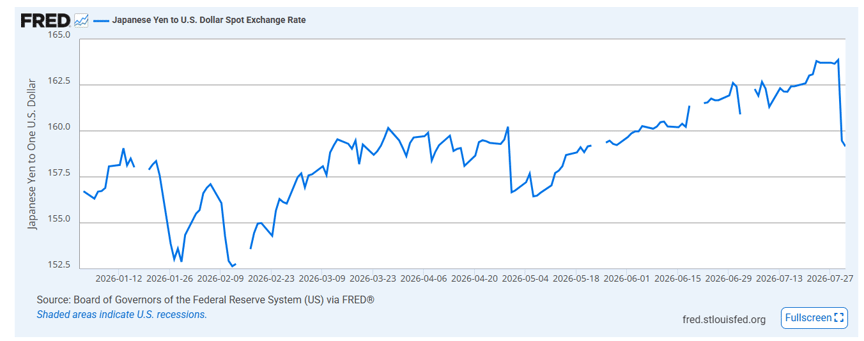
A weaker yen had increased Japan’s import costs, especially for energy, adding inflation pressure on Japanese households and businesses. The US also had concerns that a sharp yen decline could create wider market disruptions, including potential effects on US bond markets because Japan is a major holder of US Treasury securities.
The intervention highlights the close economic ties between the US and Japan and shows how currency movements can have global consequences. However, analysts note that currency intervention alone may provide only temporary relief unless supported by broader economic and monetary policy changes.