China began construction on July 19, 2025, on a massive hydropower project on the Yarlung Zangbo River near Medog County in Nyingchi, southeastern Tibet, expected to become the world’s largest hydropower facility, according to Reuters. The roughly $170 billion project will use five cascade power stations to generate about 300 TWh annually, more than three times the designed output of the Three Gorges Dam. China has disclosed limited construction details, with first power expected in the early to mid-2030s.
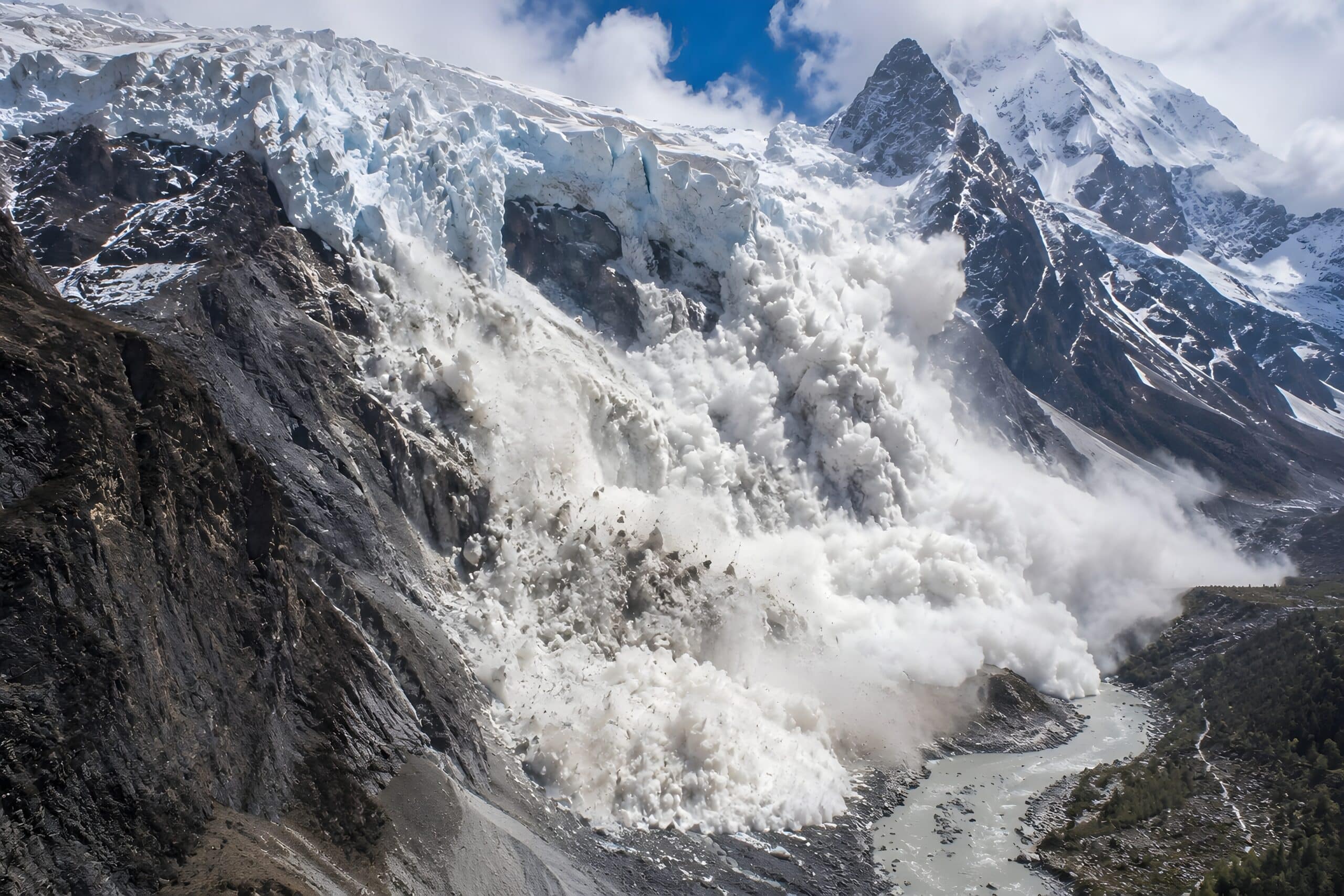
The project’s location presents major earthquake, landslide, and environmental risks, while limited information has been released about displacement and ecological impacts. The Center on Global Energy Policy reports that the August 26, 2026 floods severely damaged Nepal’s hydropower sector, affecting 12 operational sites and 15 projects under construction, with roughly 900 MW of combined capacity. The disaster highlights the vulnerability of Nepal’s hydropower-dependent economy as the country plans to expand generation capacity to around 30,000 MW by 2035, while facing increasing risks from earthquakes, floods, landslides, and glacial hazards.
The Himalayas, according to the USGS, are one of the world’s most seismically active regions, driven by the ongoing collision of the Indian and Eurasian plates, which produces frequent earthquakes and has generated numerous devastating events, including the 1934 Bihar (M8.1), 1950 Assam (M8.6), and 2008 Wenchuan (M7.9) earthquakes.
The August 15, 1950 M8.6 (mislabelled as M8.3 1950 on the map below) Assam–Tibet earthquake struck near Rima in the Medog area of eastern Tibet, triggering massive landslides, destroying villages, and causing deadly flooding across Tibet and northeastern India.
USGS Seismotectonic Map of the Himalayas and Vicinity – 1900 to 2016

Because the Yarlung Zangbo becomes the Brahmaputra after entering India, the project has raised concerns in India and Bangladesh over potential effects on water flows, sediment, ecosystems, and downstream communities. India has expressed concerns to China and is pursuing major hydropower projects of its own, adding to growing regional competition over water resources.