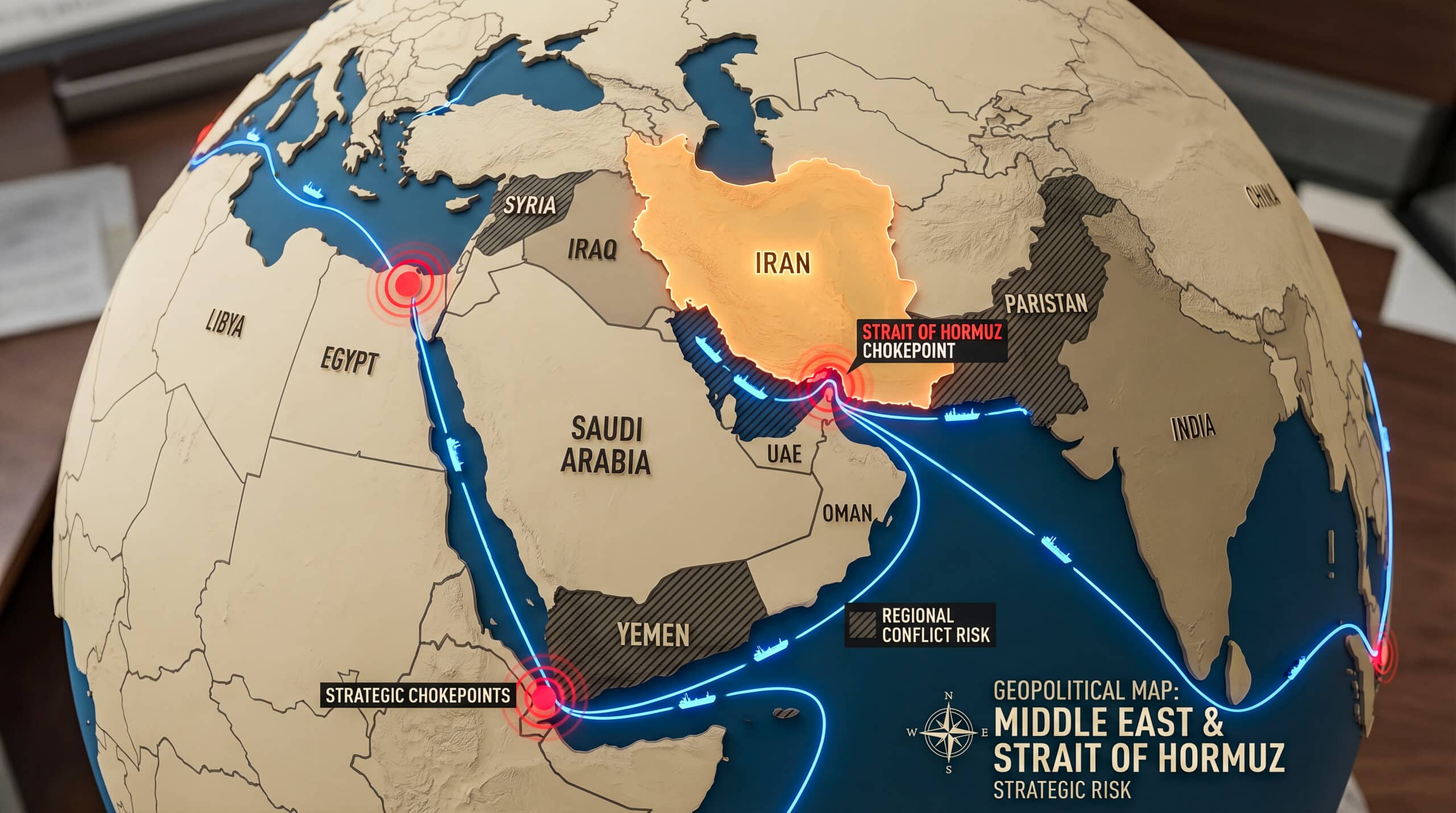
The May 2026 issue of the Oxford Energy Forum (OEF 149) examines the global energy consequences of the disruption of shipping through the Strait of Hormuz following the US-Israeli attacks on Iran in February 2026. The publication describes the crisis as one of the most severe energy shocks in modern history, with the near-total halt of transit through the strait affecting oil, liquefied natural gas (LNG), refined products, fertilizers, metals, and other commodities. The issue analyzes how the disruption has reshaped energy markets, energy security, and the global energy transition.
Contributors argue that the crisis has exposed the vulnerability of global energy supply chains and highlighted the continued importance of oil and gas infrastructure despite efforts to transition toward cleaner energy sources. The disruption has led to higher energy prices, increased market volatility, and renewed concerns about energy security across Europe, Asia, and other import-dependent regions.
The forum also explores the geopolitical implications of the crisis, including shifts in trade flows, the strategic role of alternative energy suppliers, and the potential acceleration of investments in energy resilience, storage, and diversification. While the energy transition remains a long-term objective, the authors suggest that recent events demonstrate the enduring influence of geopolitical risks on global energy markets and policymaking.