Bloomberg examines how the global LNG market is being strained by damage to Qatar’s Ras Laffan LNG complex and broader disruptions linked to conflict in the Gulf. Qatar has long been one of the world’s most reliable LNG suppliers, so any prolonged outage raises significant concerns for energy-importing nations in Asia and Europe.
They report that LNG has become a cornerstone of the global energy system, helping countries secure reliable power supplies and reduce reliance on coal. However, the crisis highlights the risks of concentrating a large share of global LNG exports in the Gulf, where damaged infrastructure and shipping disruptions have tightened supply and pushed prices higher.
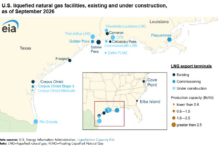
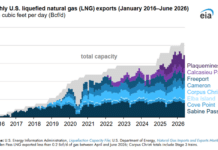
Bloomberg concludes that the disruption could reshape energy markets. While the United States may benefit as the world’s largest LNG exporter, it cannot fully replace the lost Qatari supply. In the short term, tighter markets could increase coal use, while longer-term pressures may accelerate investment in renewable energy and broader energy security strategies.
Wood Mackenzie models three LNG market scenarios following the Iran conflict and the loss of roughly 20% of global supply from disruptions in the Strait of Hormuz. The analysis considers a short-lived disruption, a medium-term period of sustained tightness, and a prolonged shortage extending into 2026.
Across all scenarios, reduced Qatari and regional LNG exports constrain global supply, drive up prices, and intensify competition between Europe and Asia. Wood Mackenzie concludes that LNG markets are likely to remain highly volatile, with energy security concerns increasingly shaping global gas and power decisions.