
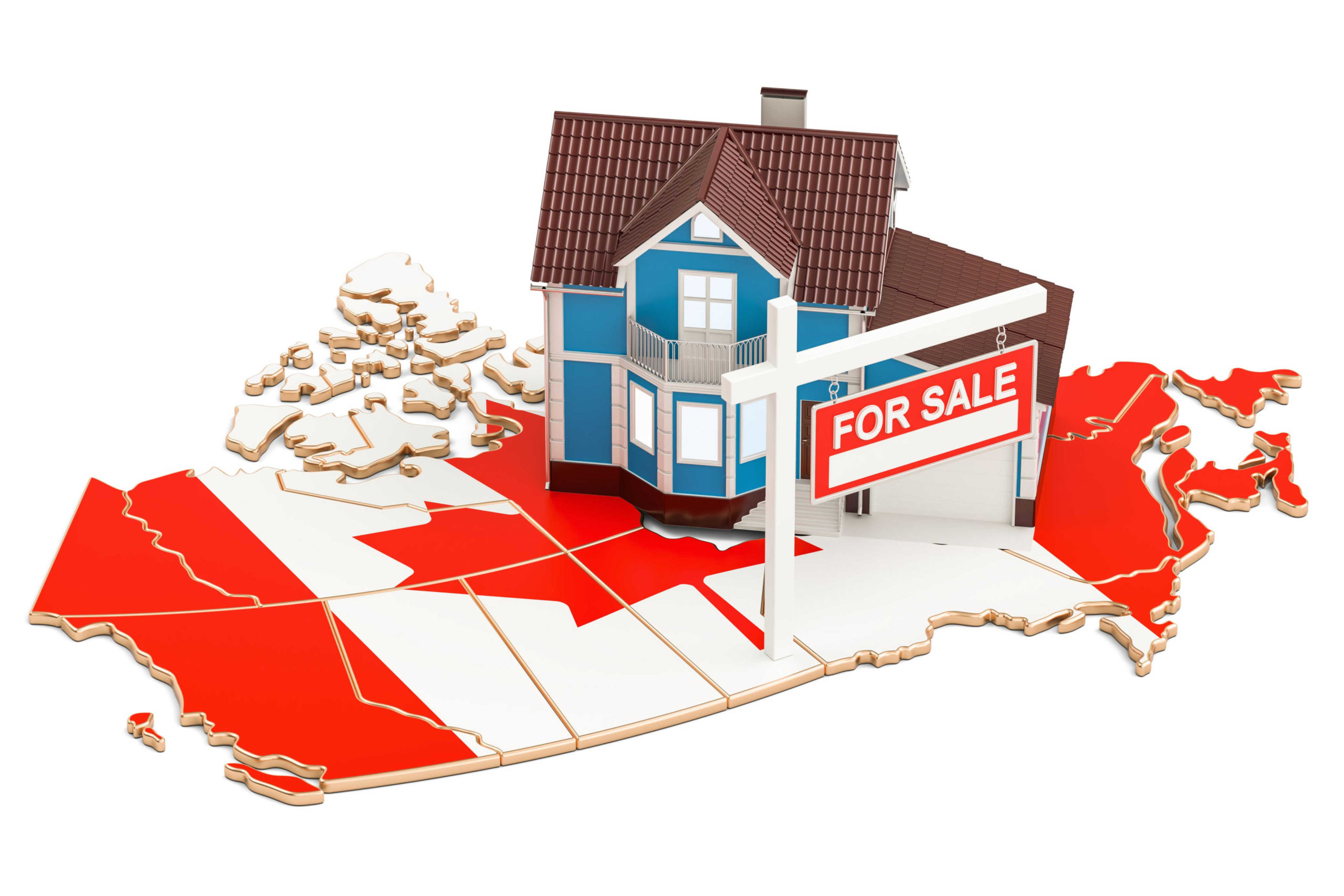
Is selling in Canadian real estate markets headed for a downward spiral? Economist David Rosenberg tells Bloomberg that “The momentum could build on itself, where the lower prices beget even lower prices because of the forced selling by these leveraged weak hands.” Bloomberg’s Ari Altstedter reports on the Canadian real estate market, writing:
At the tail end of a historic bull run in Canada’s housing market last year, investors came to comprise a fifth of the country’s homebuyers. Now, they are some of the first scrambling to unload properties in what some are already saying could be the most severe housing market downturn in the country’s recent history.
In early July, Toronto-based mortgage broker Ron Butler’s client called him with exactly that dilemma: The financials on the suburban condo he purchased as an investment property just four months earlier no longer made sense. Rents could no longer cover interest payments on the mortgage after a six-fold jump in the central bank rate.
Butler advised his client to sell, instead of losing money on the property each month. The Bank of Canada raised its benchmark rate another percentage point to 2.5 per cent just a week later, so Butler is bracing himself for even more calls like that.
“It’s starting now,” Butler said. “Every quarter there’s more bad news. More renewals. More negative cash flow. More, ‘Does it make sense to hold onto this rental?’”
As long as rates stay high, he predicts investors will turn into a steady stream of forced sellers and further weigh down home prices. “The economics of this thing for the next two years just don’t make sense,” Butler said.
Over the last year, the central bank issued repeated warnings about the risk investors posed to the market as they became a greater share of the country’s homebuyers. Not only are investors thought more likely to sell in a downturn because they don’t live in the homes they own, the volume and type of debt they were taking on — specifically loans with a floating rate — could make them more likely to experience a financial squeeze if rates rose and prices fell. Now it looks like that’s exactly what’s happening.
“Investors in residential real estate are typically what you would call ‘weak hands,’” said David Rosenberg, an economist, borrowing a term from poker. “The momentum could build on itself, where the lower prices beget even lower prices because of the forced selling by these leveraged weak hands.”
Even though rental prices have gone up, the annual increases aren’t keeping pace with the central bank’s rate hikes.
Though the declines in Canada’s benchmark home price have so far been moderate, amounting to just 3.3 per cent in the three months to June, they’ve accelerated in that time, and various private sector economists predict average home prices could fall between 10 per cent and 20 per cent from the February peak. Rosenberg, however, says forced selling by investors could push prices down as much as 40 per cent. Robert Hogue, an economist at Royal Bank of Canada, says the country is on its way to a “historic” downturn that will be bigger than any in the last 40 years.
“Bubbles burst when interest rates go in the other direction,” Rosenberg said. “The question always is, when is the inflection point? And the inflection point has already arrived.”
Read more here.