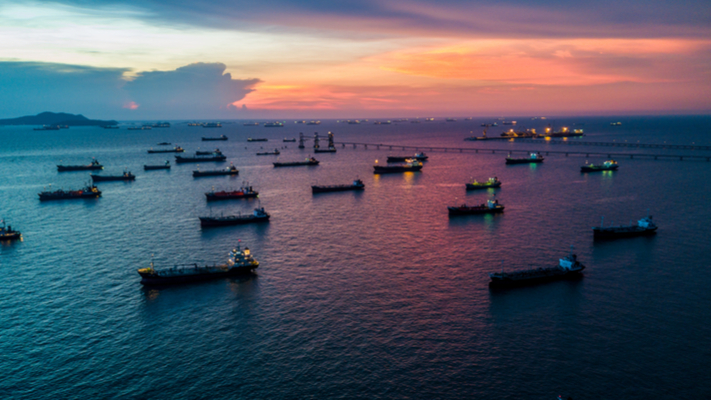

The International Energy Agency (IEA) is closely monitoring global energy markets as escalating conflict in the Middle East raises concerns over oil and gas supplies, particularly around the Strait of Hormuz and Bab el-Mandeb Strait. The situation has increased uncertainty over global energy security, with additional concerns after President Donald Trump warned that any future Iranian attack on ships in the Strait of Hormuz could trigger US strikes on Iranian infrastructure, including bridges or power plants.
From this point forward, any time the Islamic Republic of Iran shoots at a ship in the Strait of Hormuz, whether it be by Missile, Rocket, Drone, or any other device or weapon, the United States will bomb and destroy ONE BRIDGE OR POWER PLANT, including those located next to, or… pic.twitter.com/011kjiBiiX
— Commentary Donald J. Trump Truth Social Posts On X (@TrumpTruthOnX) July 22, 2026
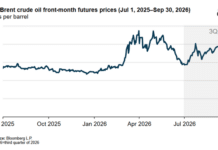
Despite the heightened tensions, oil markets continue to receive support from several factors, including continued exports from Gulf producers such as Saudi Arabia and the UAE through alternative routes, increased production from countries including the United States, Brazil, Venezuela, and Kazakhstan, and reduced crude imports from China. The IEA has also released emergency oil stocks, with about 290 million barrels of a planned 400 million-barrel release already entering markets.
The IEA warned that risks remain high as commercial inventories decline and refined fuel markets, including diesel and gasoline, remain tighter than crude supplies. In natural gas markets, increased LNG shipments from the United States and Canada have helped replace much of the lost Gulf supply, but prolonged disruptions could pressure global markets and Europe’s efforts to rebuild gas storage. The agency emphasized that a full reopening of the Strait of Hormuz is essential to prevent further damage to global energy security.