
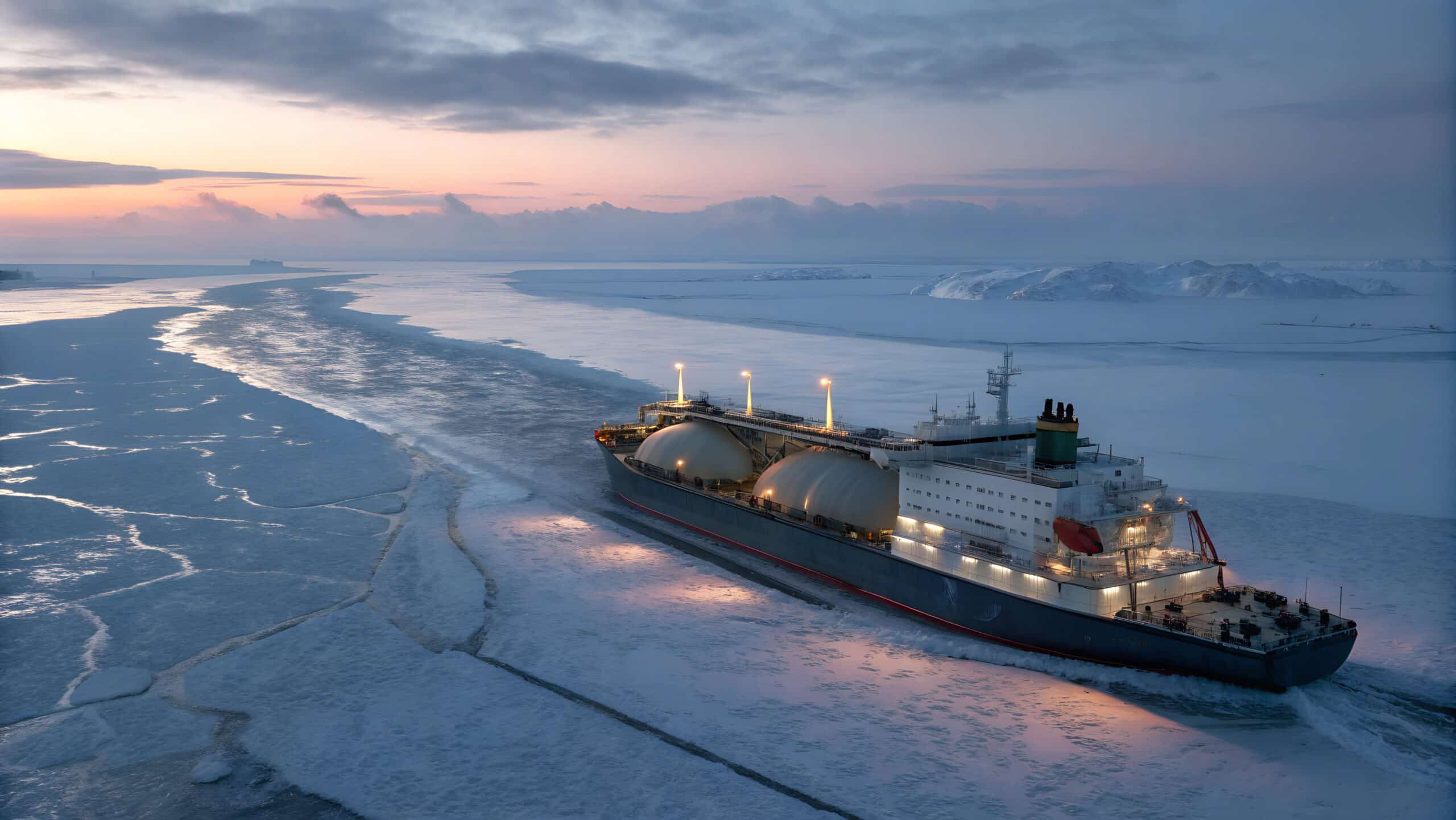
According to Rystad Energy, a review of the EU’s Arctic policy could help sustain gas development in Norway’s Barents Sea, offering Europe a closer and potentially lower-emission alternative to growing LNG imports. Clearer rules from the European Commission may determine whether Arctic gas supports long-term European energy security while aligning with climate goals. Rystad writes:
A rethink of the European Union’s (EU) Arctic policy could keep Norway’s Barents Sea gas in play in the 2030s, offering Europe a nearby, low-emission supply option as its reliance on the global liquefied natural gas market grows, according to new Rystad Energy research and analysis. The European Commission is reviewing its 2021 Arctic policy and has opened a public consultation through 16 March 2026. With Barents projects typically needing five to 10 years to move from discovery to steady output, the signal the EU sends now will determine whether additional volumes from already-open Norwegian acreage are ready for the mid-2030s, or whether Europe will lean even more heavily on global LNG in the next decade. […]
Emissions are one of the key points policymakers are considering during this review period, and this will directly impact how buyers view and compare future Barents gas supply to other sources. Norway’s upstream production is among the lowest-emitting globally, and gas delivered by pipeline from Norway generally ranks as a lower-emissions option for Europe. At Snøhvit, carbon dioxide (CO₂) removed from the produced gas is already reinjected offshore, and planned electrification of the Snøhvit–Hammerfest LNG facilities is expected to cut the project’s carbon footprint further. Environmental critics note that lower emissions intensity doesn’t change the fact that burning gas adds CO₂ to the atmosphere, but methane leakage and carbon intensity are increasingly used in policy and procurement to distinguish between remaining sources of supply during the transition.
Read more here.