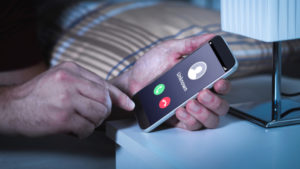
I want to share this article in the NY Times the “Latest Rash of Scam Calls Come from ‘Social Security,’” written by Ann Carrns.
In general, if you get an unsolicited phone call asking for detailed financial or personal information, be suspicious and don’t share any information. “The S.S.A. will not contact you out of the blue,” the F.T.C. said.
Don’t automatically trust the phone number on your caller ID screen. Criminals may use “spoofing” technology to make the call appear to be from a government number.
“We cannot trust the caller ID any longer,” said Ms. Daffan of the F.T.C.
Just last month, Gail S. Ennis, the inspector general of Social Security, warned of fake calls that appeared on caller ID to be from the office’s fraud hotline (1-800-269-0271). While employees of both the inspector general’s office and Social Security may contact people “for official purposes,” and may request that citizens confirm personal information over the phone, the calls will not appear on caller ID as the fraud hotline number, the advisory said, and federal employees will never threaten people for information.
“This is a scam; O.I.G. employees do not place outgoing calls from the fraud hotline 800 number,” the advisory said.
The best thing to do is hang up, said Amy Nofziger, director of fraud victim support at AARP Fraud Watch Network, which helps consumers who are worried about such calls.
Read more here.
Originally posted on Your Survival Guy.