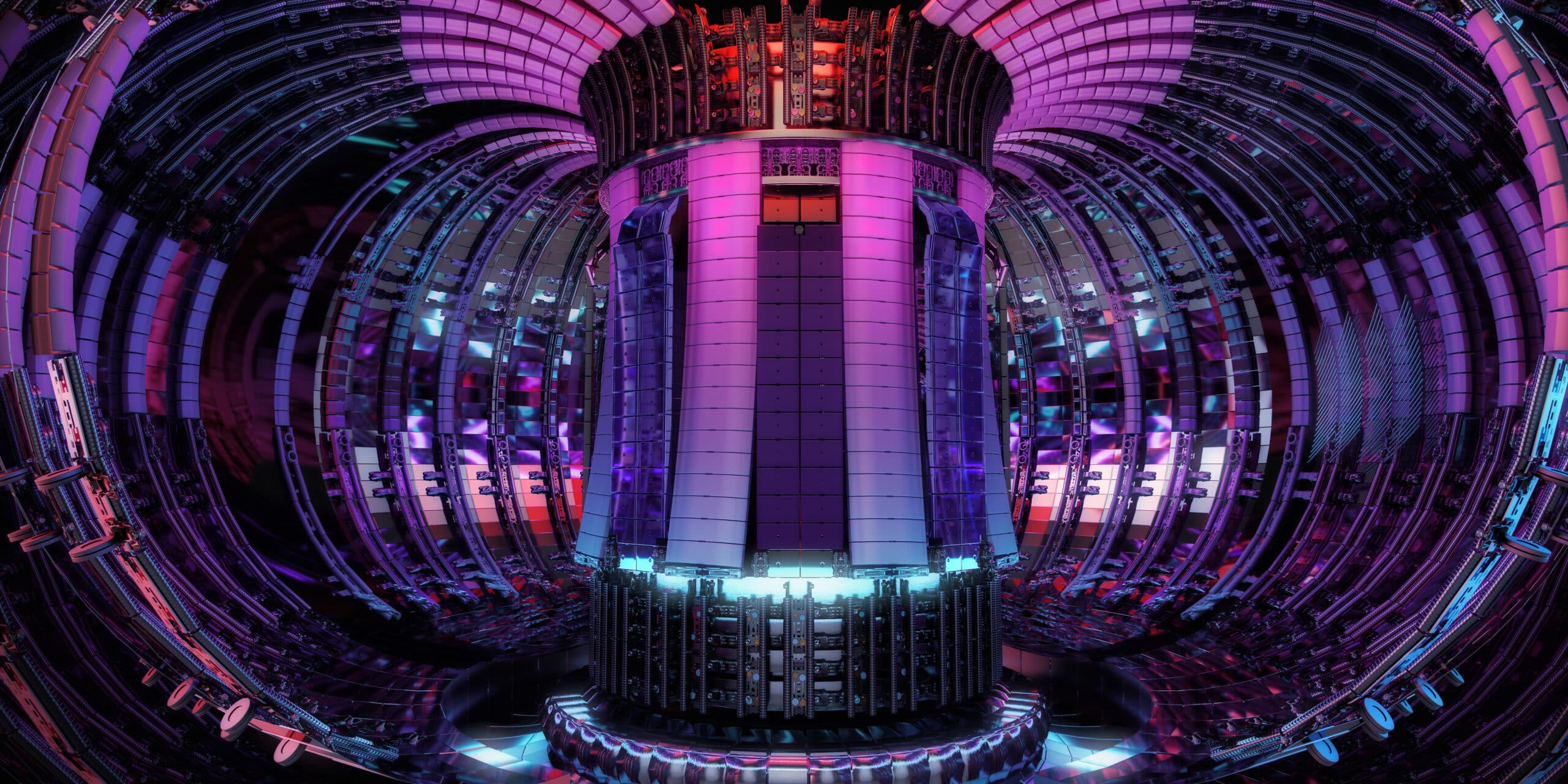
The International Energy Agency (IEA) has released a new episode of its Everything Energy podcast examining the future of nuclear fusion. The IEA podcast examines whether nuclear fusion is approaching a tipping point that could move it from a long-running scientific experiment toward commercial energy production. Fusion could provide steady electricity with minimal fuel, virtually no direct carbon emissions, and limited high-level radioactive waste, but major engineering challenges remain.
Fusion research has received about $100 billion since the 1970s, while private investors have contributed more than $14 billion since 2021. Projects such as ITER and Commonwealth Fusion Systems’ SPARC are advancing the technology, with SPARC targeted for operation in 2027 and its planned ARC power plant aiming to deliver about 400 megawatts to the grid in the early 2030s.
Experts say breakthroughs are still needed in areas including superconducting magnets, robotics, cryogenic systems, and tritium fuel production. While commercial fusion remains uncertain, the growing private investment and shift toward designing actual power plants suggest the industry may finally be entering a new phase.