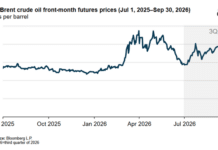
U.S. oil production is beginning to respond to higher crude prices following the Iran conflict, but the increase is gradual because of operational delays, market uncertainty, and cautious spending by energy companies. According to Wood Mackenzie, Lower 48 crude production is expected to rise from approximately 11.29 million barrels per day in February 2026 to 11.4 million barrels per day by December.
Higher oil prices have sharply raised U.S. gasoline and diesel costs, while the Strategic Petroleum Reserve and additional international diesel supplies have eased some supply pressures. However, U.S. shale producers cannot quickly increase output because drilling, well completion, and equipment deployment take time. Price volatility also makes companies reluctant to commit to major investments.
Looking ahead, Wood Mackenzie forecasts U.S. Lower 48 production could reach 11.8 million barrels per day by December 2027, about 1 million barrels per day above its pre-war forecast. If Middle Eastern supply disruptions ease and production increases as expected, additional U.S. output could help rebuild global inventories, ease supply constraints, and put downward pressure on oil prices.