For nearly a decade it has gone without question that companies would take on debt to finance acquisitions. With interests rates so low, investor groups were practically forcing companies to buy competitors and other businesses to expand revenue streams. Managers were only to happy to oblige.
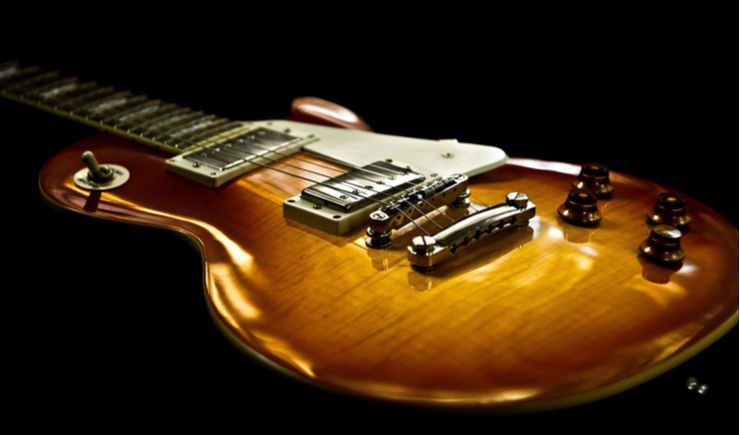
Gibson, maker of guitars and audio equipment, is the latest storied business to fall victim to low rate debt offered by private equity groups looking to cash in on a strong brand. Now, the private equity crowd will take control of Gibson after its bets have gone bad. Becky Yerak reports:
Under a restructuring pact filed with Gibson’s chapter 11 bankruptcy petition, a group of bondholders—among them funds managed by KKR & Co., Silver Point Capital LP and Melody Capital Partners LP—will take control of Gibson’s musical-instrument business.
The privately held Gibson is owned by Mr. Juszkiewicz and David Berryman, who acquired Gibson in 1986 and will remain with the company, at least for a time, after it leaves bankruptcy.
It was under Mr. Juszkiewicz’s time as Gibson’s CEO that the company tried to pivot to a lifestyle brand, dropping the “Guitar” from its name and taking on the corporate moniker “Gibson Brands.”
Gibson made a misstep a few years ago when it installed automatic tuners that weren’t well received, says one industry observer.
“It hurt their sales but it was a solvable problem,” said Brian Majeski, editor of Music Trades, a musical-instrument-industry trade magazine.
“The guitar business is OK,” he said.
Mr. Majeski said Gibson’s problem was that it took on too much debt to buy a consumer-electronics business that collapsed.
Read more here.
Originally posted on Yoursurvivalguy.com.