
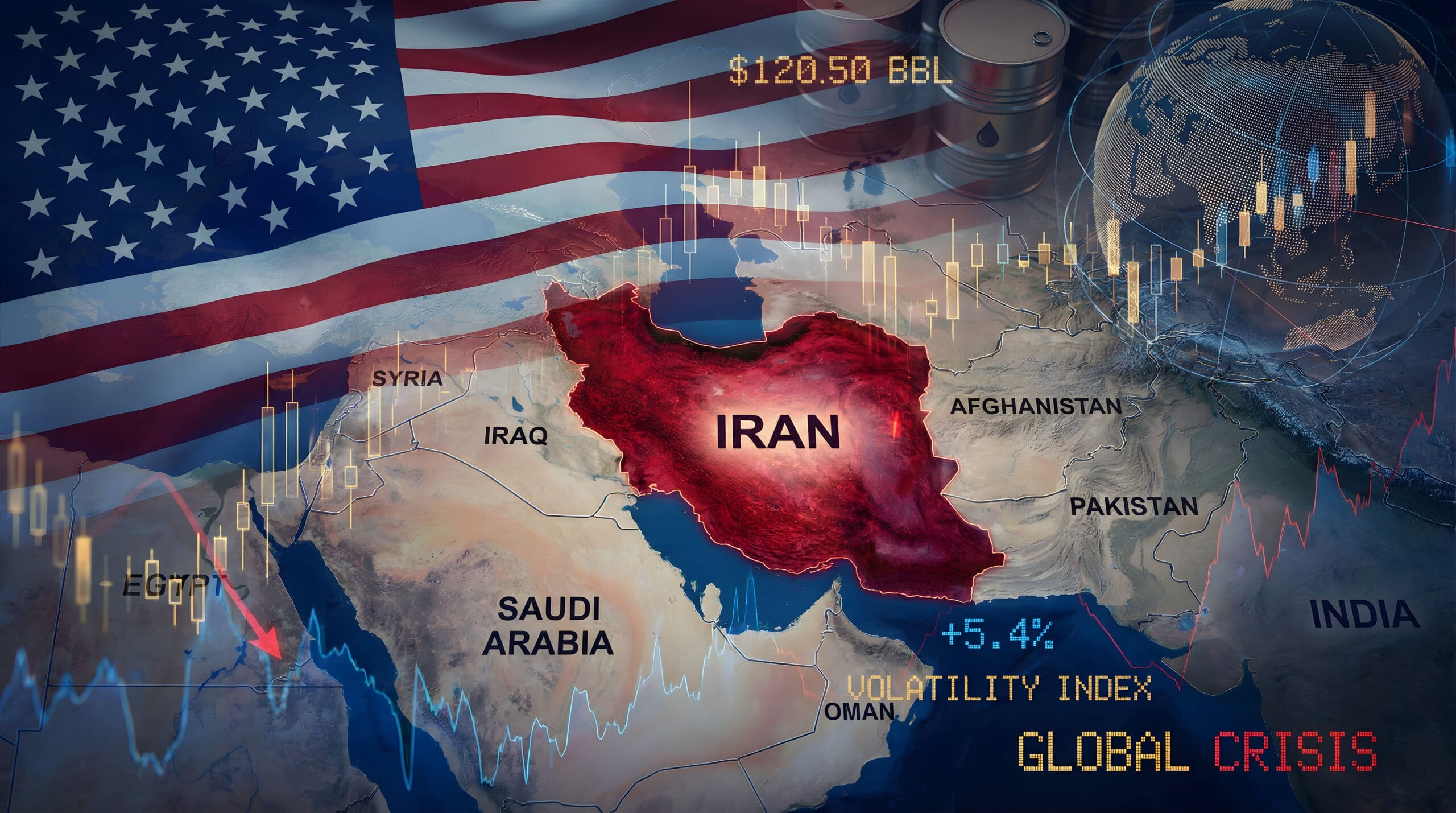
Bank of America analysts say the biggest economic threat from the Iran conflict would be a large and sustained spike in energy prices, which could ripple through consumer spending and inflation. However, they view the overall risk to the US economy as limited unless a pronounced oil shock materializes, reports Sam Boughedda of Investing.com.
Because the US is now a net exporter of oil and gas, it’s less vulnerable to price shocks than in the past. BoFA also highlights geopolitical uncertainty and inflation pressures, but maintains that the US economic fundamentals remain relatively resilient even amid ongoing Middle East tensions. Boughedda writes:
The conflict involving Iran is unlikely to significantly derail the U.S. economy in the near term, though several channels could amplify the impact if energy prices rise sharply, according to analysts at Bank of America.
Aditya Bhave of BofA told investors in a note that historical precedent suggests the economic fallout may remain limited. However, the bank warned that risks could intensify if oil prices experience a prolonged surge. […]
According to BofA, the biggest threat would come from a “large and persistent energy price shock,” which could ripple through consumer spending and investment. […]
BofA added that “if energy prices start to weigh on final demand, the Fed would likely turn more dovish in the medium term.”
Beyond geopolitics, the bank noted that upcoming inflation data will be closely watched by markets. BofA expects February consumer prices to rise modestly, with headline and core Consumer Price Index inflation projected to increase 0.3% month over month.
Read more here.